Cart
0


1. Starch – Why Does New Cotton Feel Crisp?
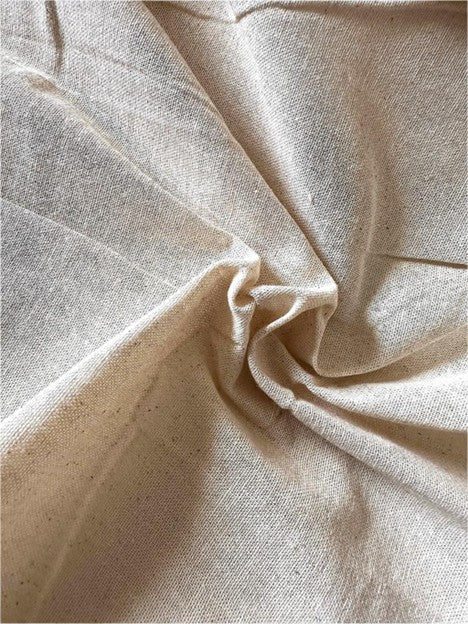
Freshly woven cotton fabrics are often treated with a light application of starch during the finishing process.
Starch serves several important purposes.
It protects the fabric during transportation and stitching, helps maintain the fabric's shape while garments are being cut and sewn, and gives the cloth a neat, structured appearance when it reaches the customer.
Traditional weaving communities have used natural starch for generations. Depending on the region and weaving tradition, starch may be made from rice, tapioca, maize, or other plant-based sources. These natural starches temporarily coat the yarn, giving the fabric its crisp hand feel without changing the fibre itself.
When the garment is washed for the first time, most of this starch dissolves and rinses away. What remains is the true character of the cotton—soft, breathable, and comfortable against the skin.
A crisp new garment is not a sign of poor quality. In many cases, it is a sign that the fabric has not been heavily processed with chemical softeners and is retaining its natural integrity.
2. Natural Yarn – The Beauty of Untouched Cotton
Cotton is a living natural fibre.
Unlike polyester or synthetic blends, cotton fibres retain their own unique texture and behaviour.
During weaving, the yarn is twisted to create strength. These twists hold the fibres firmly together, making the fabric feel slightly structured when it is new.
As the garment is washed and worn, water gradually relaxes these twists. The fibres become more flexible while still maintaining their strength.
This gentle transformation cannot be recreated through chemical treatments.
It happens naturally over time, which is why many people find themselves reaching for the same cotton garment again and again—it simply becomes more comfortable with every wear.
Natural cotton doesn't just last longer.
It grows more beautiful as it ages.
3. Weaving Tension – The Precision Behind Every Thread
One of the defining characteristics of handloom weaving is the careful tension maintained throughout the weaving process.
Every thread in the fabric is interlaced by the artisan using manual control. To ensure the weave remains stable and durable, the yarn is held under consistent tension while it is being woven.
This controlled tension creates a fabric with natural structure and body.
Initially, this structure contributes to the crisp feeling many people notice in a new handloom garment.
Over time, regular movement, washing, and wear allow the threads to settle into a more relaxed state. The weave becomes increasingly supple while preserving its strength and shape.
Unlike machine-made fabrics that often rely on chemical finishes to create texture, handloom cotton develops its softness through everyday use.
4. The First Wash – Where the Transformation Begins
The first wash is often when customers experience the biggest change in their garment.
As the fabric is gently washed:
· The protective starch begins to dissolve.
· Cotton fibres absorb water and relax naturally.
· The weave loosens slightly, improving flexibility.
· The fabric becomes softer while maintaining its durability.
This process is completely normal and expected.
To care for your garment during its first wash, we recommend:
· Hand washing or using a gentle machine cycle.
· Cold or lukewarm water.
· A mild liquid detergent.
· Avoiding bleach and harsh chemicals.
· Drying the garment in the shade to preserve its colour.
With proper care, your garment will continue to improve with every wash.
5. Why Does Cotton Become Softer Over Time?
One of the greatest pleasures of owning authentic handloom cotton is watching it evolve.
Unlike many synthetic fabrics that lose their softness after repeated washing, cotton follows the opposite journey.
Each wash gently relaxes the fibres.
Every wear allows the fabric to adapt to your movements.
Over time, the yarn becomes increasingly flexible without becoming weak.
This gradual softening is a natural characteristic of high-quality cotton and one of the reasons handcrafted garments are often treasured for years.
Rather than wearing out, they become more personal.
The fabric begins to mould itself to your lifestyle, creating a comfort that simply cannot be manufactured overnight.