Cart
0
Introduction
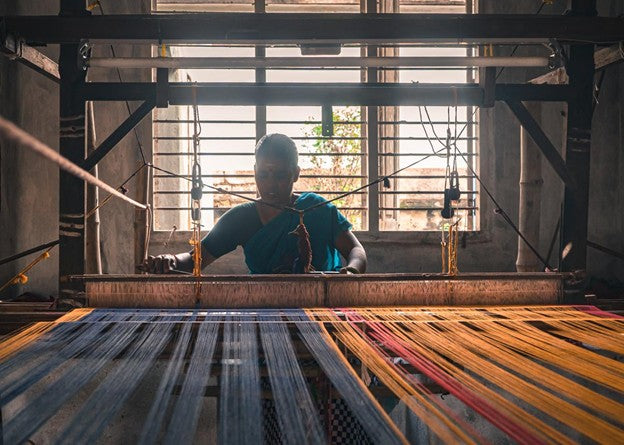
India is home to one of the richest textile traditions in the world. Every few hundred kilometres, the language changes, the food changes—and so does the fabric.
For centuries, weaving communities across the country have developed techniques uniquely suited to their climate, culture, and way of life. Each region tells its own story through colours, patterns, motifs, and weaving methods.
Today, however, many shoppers simply see "cotton" without understanding the remarkable diversity hidden behind that single word.
A Narayanpet weave feels different from Mangalagiri.
A Muslin fabric behaves differently from Linen.
Khadi tells a different story than Ikat.
Understanding these textiles not only helps you make better purchasing decisions but also deepens your appreciation for the craftsmanship behind every garment.
Let's explore some of India's most celebrated fabrics.
This should actually be one of the pillar articles of the House of Sumegha Journal. It can easily rank on Google for searches like "Types of Indian Handloom Fabrics," "Indian Cotton Fabrics Guide," or "Different Handloom Fabrics in India."
I'd title it:
A Beginner's Guide to Indian Handloom Fabrics
Understanding the Stories Woven into Every Thread


Introduction
India is home to one of the richest textile traditions in the world. Every few hundred kilometres, the language changes, the food changes—and so does the fabric.
For centuries, weaving communities across the country have developed techniques uniquely suited to their climate, culture, and way of life. Each region tells its own story through colours, patterns, motifs, and weaving methods.
Today, however, many shoppers simply see "cotton" without understanding the remarkable diversity hidden behind that single word.
A Narayanpet weave feels different from Mangalagiri.
A Muslin fabric behaves differently from Linen.
Khadi tells a different story than Ikat.
Understanding these textiles not only helps you make better purchasing decisions but also deepens your appreciation for the craftsmanship behind every garment.
Let's explore some of India's most celebrated fabrics.
Ikat


Origin
Ikat is one of India's most recognised weaving traditions and is primarily associated with the towns of Pochampally in Telangana, along with weaving clusters in Odisha and Gujarat. Among these, Pochampally Ikat has earned worldwide recognition and holds a Geographical Indication (GI) tag.
History
The word Ikat comes from the Malay-Indonesian word meaning "to tie" or "to bind."
Unlike ordinary woven fabrics where the yarn is dyed after weaving, Ikat follows a far more intricate process. The yarn itself is carefully tied, dyed in sections, untied, and only then woven into fabric.
This technique has been practised for centuries and requires extraordinary planning because the patterns must align perfectly during weaving.
Weaving Method
The design is created before weaving even begins.
The yarn is tied using waterproof bindings.
Different sections are dyed in multiple colours.
The threads are untied, dried, arranged carefully on the loom, and woven.
The beauty of Ikat lies in the slight feathered edges of its motifs, a characteristic impossible to replicate perfectly with printed fabrics.
Characteristics
· Distinctive blurred geometric patterns
· Lightweight and breathable
· Rich colours
· Durable
· Unique handcrafted appearance
Ideal Season
✔ Summer
✔ Monsoon
✔ All-year wear
Styling Tips
Ikat kurtas pair beautifully with solid cotton pants and handcrafted silver jewellery. Let the fabric remain the highlight by choosing minimal accessories.
Narayanpet Cotton


Origin
Narayanpet is a historic weaving town in Telangana, close to the Karnataka border.
History
The weaving tradition dates back more than 400 years. Legend says local weavers received patronage during the reign of the Maratha ruler Chhatrapati Shivaji, influencing the distinctive borders and colour combinations seen today.
Narayanpet sarees are now protected by a GI tag and remain one of South India's most loved everyday handloom textiles.
Weaving Method
Narayanpet fabrics are woven on pit looms using fine cotton yarn.
The hallmark is the contrast border woven separately but seamlessly integrated into the body.
Traditional checks and stripes dominate the designs.
Characteristics
· Lightweight
· Crisp texture
· Bold contrast borders
· Traditional checks
· Extremely breathable
· Softens after every wash
Ideal Season
Perfect for Indian summers and everyday office wear.
Styling Tips
Minimal jewellery, tan leather sandals, and a cotton tote perfectly complement Narayanpet fabrics.
Ilkal


Origin
Ilkal originates from the town of Ilkal in Karnataka's Bagalkot district.
History
This weaving tradition is over 800 years old and is deeply rooted in Karnataka's cultural heritage. Ilkal is especially famous for its sarees featuring the iconic Tope Teni pallu.
Although traditionally woven as sarees, the fabric is increasingly being adapted into contemporary apparel.
Weaving Method
One of Ilkal's unique features is that the body, border, and pallu are woven separately and interlocked using a technique called Tope Teni.
This complex joining method creates remarkable durability.
Characteristics
· Distinctive borders
· Strong weave
· Rich colours
· Slightly heavier feel
· Excellent longevity
Ideal Season
Monsoon
Winter
Festive occasions
Styling Tips
Pair Ilkal fabrics with handcrafted oxidised jewellery or temple jewellery for an elegant South Indian aesthetic.
Chettinad Cotton


Origin
Chettinad cotton comes from Tamil Nadu's Chettinad region.
History
Originally woven for the Chettiar community, these fabrics became known for their vibrant colours and practical durability.
Weaving Method
Traditional pit looms are used to create bold striped and checked designs using tightly woven cotton yarn.
Characteristics
· Bright colours
· Bold stripes
· Strong weave
· Excellent breathability
· Long-lasting
Ideal Season
Summer
Travel
Daily wear
Styling Tips
Chettinad kurtas look beautiful with white cotton bottoms and simple handcrafted earrings.
Mangalagiri Cotton


Origin
Mangalagiri, Andhra Pradesh.
History
This weaving tradition is over 500 years old and flourished under royal patronage.
Weaving Method
The fabric is woven without ornamentation across the body, while elegant zari borders are added during weaving.
The weave is compact yet airy.
Characteristics
· Fine weave
· Smooth finish
· Minimalistic
· Lightweight
· Durable
Ideal Season
Summer
Office wear
Formal occasions
Styling Tips
Perfect for minimalist wardrobes. Pair with pearl jewellery and neutral footwear.
Muslin


Origin
Historically woven in Bengal, particularly around Dhaka, muslin is one of the world's most celebrated cotton fabrics.
History
Ancient muslin was so extraordinarily fine that it was often described as "woven air." It was prized by royalty across Asia, Europe, and the Middle East.
Weaving Method
Extremely fine cotton yarn is woven at high thread counts to create an exceptionally lightweight fabric.
Characteristics
· Feather-light
· Soft
· Airy
· Delicate
· Luxurious drape
Ideal Season
Peak summer
Resort wear
Baby clothing
Styling Tips
Choose flowing silhouettes that allow the fabric's graceful movement to shine.
Khadi


Origin
Khadi is woven throughout India, with important production centres in Gujarat, Rajasthan, Uttar Pradesh, Karnataka, and West Bengal.
History
Khadi became a powerful symbol of India's freedom movement when it was championed by Mahatma Gandhi. Spinning and wearing Khadi represented self-reliance, dignity of labour, and support for local artisans. Even today, it remains a symbol of sustainable, mindful living.
Weaving Method
Khadi begins with cotton that is hand-spun on a charkha (spinning wheel). The yarn is then handwoven on traditional looms, creating a fabric with beautiful natural irregularities and excellent breathability.
Characteristics
· Hand-spun and handwoven
· Softens beautifully with every wash
· Naturally breathable
· Distinctive slub texture
· Durable and sustainable
Ideal Season
Summer, spring, and mild winters. Khadi also layers well, making it suitable for year-round wear.
Styling Tips
Khadi pairs effortlessly with minimalist silhouettes. A relaxed Khadi kurta styled with straight pants, handmade footwear, and silver or terracotta jewellery creates an elegant, timeless look.
Linen


Origin
Linen is made from the fibres of the flax plant and has been cultivated for thousands of years. While not indigenous to India, it has become increasingly popular for premium summer clothing due to its comfort and elegant appearance.
History
Dating back to ancient Egypt, linen is one of the oldest known textiles in the world. It was treasured for its strength, breathability, and natural lustre, and today it continues to be associated with refined, understated luxury.
Weaving Method
After harvesting, flax fibres are separated, spun into yarn, and woven into fabric. Linen yarn is naturally stronger than cotton, giving the fabric exceptional durability while retaining a soft, airy feel.
Characteristics
· Naturally cool to the touch
· Highly breathable
· Strong and long-lasting
· Elegant texture with a subtle sheen
· Becomes softer with every wash
Ideal Season
Summer, tropical climates, vacations, and resort wear.
Styling Tips
Linen works best in clean, minimal silhouettes. Pair a linen kurta or dress with woven sandals, a structured tote, and delicate jewellery for an effortlessly sophisticated look.
Choosing the Right Fabric for Your Lifestyle
Every fabric has its own personality, and the right choice depends on your lifestyle and preferences. If you enjoy artistic patterns, Ikat offers striking visual appeal. For breathable everyday comfort, Narayanpet, Chettinad, and Mangalagiri are excellent choices. If durability and rich heritage matter most, Ilkal stands out with its distinctive construction. Muslin is perfect for those who love feather-light fabrics, while Khadi appeals to those who value sustainability and handcrafted character. For a refined, modern wardrobe with effortless elegance, Linen remains a timeless favourite.
At House of Sumegha, we celebrate these remarkable textiles because we believe every fabric carries more than colour and texture—it carries history, craftsmanship, and the hands of the artisans who have preserved these traditions for generations. Our collections are thoughtfully curated to honour these stories while creating garments that feel comfortable, timeless, and meaningful in everyday life.